
Dumpster and Porta Potty Quotes Blog
Dumpster Rental Cost Guide
Reviewed 8 November 2026
Typical prices for every size, what is usually included, and the fees that can add to your bill.
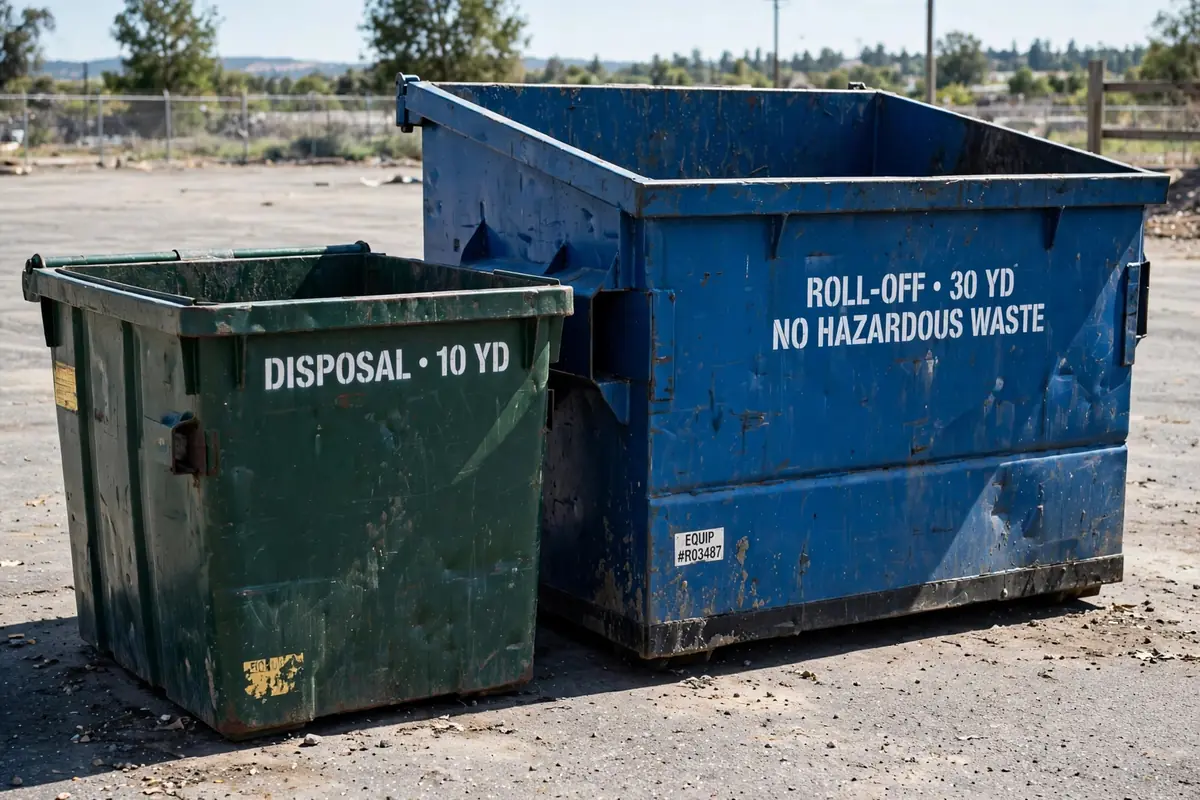
A dumpster rental typically costs $300 to $900 for a week, depending on the size. A 10-yard dumpster usually runs $300 to $500, a 20-yard dumpster $350 to $650, a 30-yard dumpster $450 to $750, and a 40-yard dumpster $550 to $900. Most quotes include delivery, pickup, a rental period of 7 to 14 days, and a weight allowance. Prices vary by location, debris type, and weight, so treat these as typical ranges and get a quote for your exact address and project.
A dumpster rental is one of the simplest ways to handle a large amount of debris. You pick a size, choose a spot in your driveway or on your property, and the provider drops the container off, then picks it up when it is full or when your rental period ends. The price is where most people have questions, because the quote depends on size, weight, rental length, and where you live. This guide explains each part, so you can compare quotes fairly and avoid the fees that catch first-time renters by surprise.
How Much Does a Dumpster Rental Cost by Size?
The table below shows typical prices for a standard rental period of 7 to 14 days, including delivery, pickup, and disposal up to the weight allowance. Your local price may sit above or below these ranges, because disposal fees and delivery distances vary by area.
| Size | Typical price | Weight allowance | Best for |
|---|---|---|---|
| 10-yard | $300–$500 | 1–2 tons | Small cleanout, small remodel |
| 20-yard | $350–$650 | 2–3 tons | Mid-size remodel, roof tear-off |
| 30-yard | $450–$750 | 3–4 tons | Large remodel, whole-home cleanout |
| 40-yard | $550–$900 | 4–5 tons | Major construction, large cleanout |
A 10-yard dumpster is the smallest and cheapest option, and it fits a garage cleanout or a small bathroom remodel. A 20-yard dumpster is the most common choice, because it fits a mid-size remodel or a roof tear-off without taking up too much driveway space. A 30-yard dumpster suits a large remodel or a whole-home cleanout, and a 40-yard dumpster is the largest option, for major construction or a very large cleanout.
What Is Usually Included in the Price?
Most dumpster quotes include four things: delivery, pickup, a rental period, and a weight allowance. Delivery means the provider brings the dumpster to your address and places it where you agreed. Pickup means the provider returns, loads the full dumpster onto the truck, and takes it to a disposal site. The rental period is usually 7 to 14 days, and the weight allowance is the amount of debris you can include at the quoted price, usually 1 to 5 tons depending on the size.
Disposal is usually included up to the weight allowance. The provider pays the landfill or transfer station fee for the debris, and that cost is built into the quote. If your debris weighs more than the allowance, the provider charges an overage fee per ton, usually $50 to $100 per ton. Heavy debris such as concrete, dirt, and roofing shingles fills the weight allowance fast, so tell the provider what you will throw away and ask whether the allowance fits your debris type.
What Affects the Price of a Dumpster Rental?
Six factors shape most dumpster quotes. Knowing them helps you compare quotes and spot the one that leaves something out.
- Size. A larger dumpster costs more to rent, to deliver, and to dispose of. The price gap between sizes is modest, so a larger size is often good value if you might need the room.
- Debris type. Household debris is light and cheap to dispose of. Concrete, dirt, brick, and roofing are heavy, and the disposal cost rises with the weight.
- Weight. Every quote includes a weight allowance, and debris over that allowance costs extra per ton. Heavy loads are the most common reason a final bill exceeds the quote.
- Rental length. A rental of 7 to 14 days is standard. Keeping the dumpster longer usually costs $10 to $25 per extra day, and prices vary by location.
- Location. Delivery distance and local disposal fees vary by area. A site near the provider yard and near a disposal site usually gets a lower price.
- Placement. A dumpster on a driveway is simple. A dumpster on a street may need a permit, and a dumpster that is difficult to reach may add a delivery fee.
When you compare quotes, check that each one covers the same size, the same rental length, and the same weight allowance. A quote with a low price and a low weight allowance can cost more in the end than a quote with a higher price and a generous allowance.
Tip: Ask for the overage rate in writing. Knowing the per-ton fee before you load the dumpster helps you decide whether to keep heavy debris out or to choose a larger allowance.
What Extra Fees Should You Watch For?
Most providers are clear about fees, but a few charges can surprise a first-time renter. An overage fee applies when the debris weighs more than the allowance. An extension fee applies when you keep the dumpster past the rental period. A permit fee applies when the dumpster sits on a public street and the city requires a permit. A fee for prohibited items can apply if the dumpster contains paint, chemicals, tires, or other items the provider will not take.
A dry-run fee can apply if the driver arrives for delivery or pickup and cannot reach the dumpster, because a car is blocking the driveway or the gate is locked. A fee for an overloaded dumpster can apply if debris is piled above the rim, because the driver cannot cover the load safely for the road. Ask the provider to list every possible fee before you book, and keep the list with your quote.
Note: Never fill a dumpster above the rim. Debris piled above the top edge cannot be covered, and the driver may refuse pickup until the load is leveled — which costs you time and may add a fee.
How Can You Keep the Cost Down?
You can lower the bill without cutting corners. Choose the right size the first time, because a second rental costs far more than a slightly larger dumpster. Load the dumpster well, breaking down bulky items and filling gaps, so you use the space you paid for. Keep heavy debris separate if you can, because a load of concrete or dirt in a household dumpster can push the weight over the allowance fast.
Book the rental for the days you will actually load it, and schedule pickup for the day after you finish. A dumpster that sits empty for a week wastes rental days, and a dumpster that is still being loaded when the rental ends costs extension fees. A clear loading schedule — a few days of steady work, then pickup — keeps the rental short and the bill low.
How Do You Get a Dumpster Quote?
Getting a quote takes a few minutes if you have the details ready. The provider will ask for your address, the size you need, the type of debris, the delivery date, and where the dumpster should go. Have those answers ready and the quote will be accurate. When the quote arrives, check the size, the rental length, the weight allowance, and the total price, and ask the provider to confirm what is included.
As a nationwide quote-matching service, we connect you with independent local providers and help you compare their quotes side by side. Tell us the project and the debris type, and we will match you with providers in your area. Call (855) 645-2976 for a free, no-obligation quote on the size that fits your job — prices vary by location, so a quote for your address is the only price that counts.
Once you know the size and the budget, our dumpster rental service can match you with a local provider for a quote.
Frequently Asked Questions
How much does it cost to rent a dumpster for a week?
A dumpster rental for a week typically costs $300 to $900, depending on the size. A 10-yard dumpster usually runs $300 to $500, a 20-yard dumpster $350 to $650, a 30-yard dumpster $450 to $750, and a 40-yard dumpster $550 to $900. Prices vary by location and weight.
What is included in a dumpster rental price?
Most quotes include delivery, pickup, a rental period of 7 to 14 days, and a weight allowance. Ask the provider to confirm the weight limit and the rental length in writing, because extra weight and extra days can add fees.
What is the cheapest dumpster size to rent?
The 10-yard dumpster is usually the cheapest, typically $300 to $500. It fits a small cleanout or a small remodel. A larger dumpster can be cheaper overall if a small one would need a second rental.
Do dumpster prices include disposal fees?
In most cases, yes. The quoted price usually includes disposal of the debris up to the weight allowance. Debris over the allowance is charged per ton, so ask the provider what the per-ton overage rate is before you book.