
Dumpster and Porta Potty Quotes Blog
Porta Potty Rental Guide for First-Timers
Reviewed 8 November 2026
Booking, delivery, placement, servicing, and pickup — explained step by step, with nothing left to guess.
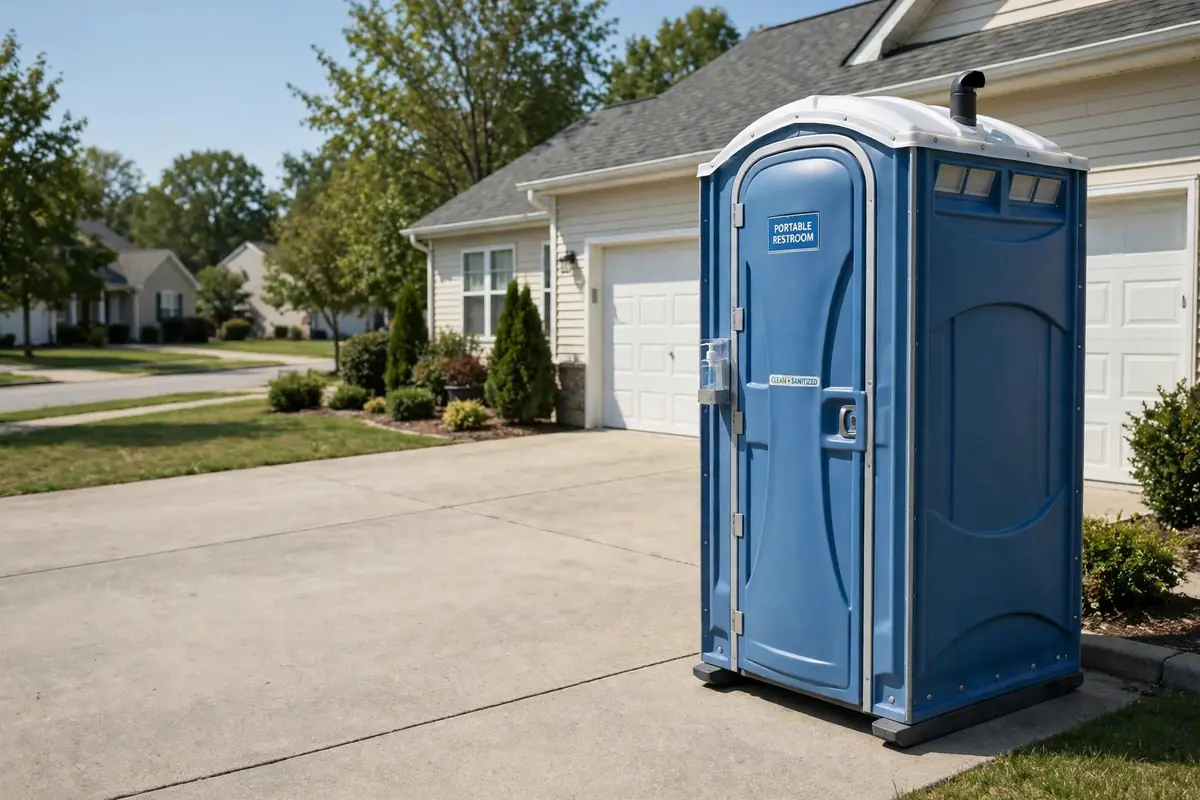
Renting a porta potty for the first time is simple: choose a unit type, pick a delivery date and a spot, get a quote in writing, and let the provider handle delivery, servicing, and pickup. A standard unit typically costs $125 to $275 for a weekend event, or $150 to $350 per month, and prices vary by location. The whole process takes a few minutes on the phone, and the provider does the heavy work. This guide walks through each step in order, so you know what to expect and what to ask at each stage.
Most first-time renters worry about the same things: picking the wrong unit, putting it in the wrong spot, or getting a bill with fees they did not expect. All three are easy to avoid. The unit choice comes down to who will use it and for how long. The spot comes down to flat ground and truck access. The bill comes down to getting the quote in writing, with servicing and fees listed. Follow the steps below and your first rental will go smoothly.
How Do You Choose the Right Unit?
Start with the use. For a jobsite or a home renovation, a standard porta potty is the usual choice. It is sturdy, low cost, and easy to service. For an event where guests will stay for hours, a deluxe porta potty with a sink is a step up that guests will notice. For a public event, include at least one ADA porta potty so guests with disabilities can use the facilities. For a wedding or a formal event, a luxury restroom trailer gives guests flushing toilets and sinks with running water.
Next, count the units. For an event, a useful starting point is one unit for every 50 guests for four hours, with more units for a longer event or for alcohol service. For a jobsite, the common guide is one unit for every 20 workers. When in doubt, round up by one unit. The cost of one extra standard unit is small next to the cost of long lines and a unit that fills up early.
How Far Ahead Should You Book?
Book at least one to two weeks ahead for a weekend event, and more for a holiday weekend or a large event. Providers have a limited number of units, and the most popular dates go first. Early booking also gives you more choice of unit types and delivery times, and it gives the provider time to confirm the delivery route and the spot.
For a construction rental, book a few days before the crew starts, so the unit is in place when work begins. For a long-term rental, the provider can set a regular service day at the start, which keeps the schedule steady from week to week. If you need a unit quickly, call the provider and ask what is available — same-week delivery is often possible, though the choice of unit types may be limited.
Tip: Have these details ready when you call: the address, the delivery date, the pickup date, the number of guests or workers, and where the unit should go. A provider who hears those details can give you an accurate quote on the first call.
What Should You Ask Before You Book?
Before you agree to a rental, ask the provider to confirm six things. A provider who answers clearly is a provider you can trust, and a written quote that lists these items leaves no room for confusion.
- Unit type and count. Confirm the exact unit type and the number of units, so the delivery matches what you ordered.
- Total price. Ask for the full price, including delivery, setup, pickup, and servicing. Ask about extra fees for a long delivery distance or a difficult site.
- Service schedule. Ask how often the unit will be serviced, and on which days. For a weekend event, ask whether a mid-event visit is included or available.
- Delivery and pickup times. Ask for the delivery window and the pickup window, so you know when the truck will arrive.
- Extension terms. Ask what it costs to keep the unit longer, and how to arrange an extension if the event or the job runs over.
- Damage and cleaning. Ask what happens if the unit is damaged, and whether there is a fee for a unit that is left very dirty or misused.
Get the answers in writing, by email or in the quote itself. A written quote protects both you and the provider, because everyone can see what was agreed. If a provider will not put the details in writing, that is a reason to get a quote from another provider.
Where Should You Place the Unit?
Place the unit on flat, firm ground where the truck can reach it. A driveway, a parking area, or a flat patch of lawn all work well. Avoid slopes, muddy ground after rain, and spots where the unit would block a driveway or a walkway. Keep the unit clear of vehicle traffic, and near enough to the event or the work area that people can reach it without a long walk.
For an event, place the units where guests can find them without seeing them in every photo — behind a hedge, a fence, or a screen, a short walk from the main area. For a jobsite, place the unit near the work, clear of falling debris and crane areas. Walk the site before delivery day and mark the spot with a cone or a flag, so the driver places the unit exactly where you want it.
What Happens on Delivery Day?
On delivery day, the provider brings the unit on a truck, sets it in the agreed spot, and makes sure the door opens and closes, the lock works, and the unit is clean and stocked with toilet paper and hand sanitizer. You do not need to do anything to the unit, and you do not need to supply water or power for a standard unit. A trailer is different: it needs a flat spot, power, and water, so confirm those details with the provider before delivery.
Be on site for delivery if you can, or leave clear directions for the driver. If the driver cannot find the spot, or the gate is locked, the delivery may be delayed and a second trip may cost extra. A quick call to the provider on the morning of delivery, to confirm the time window and the spot, avoids most delivery problems.
How Does Servicing Work?
Servicing means the provider empties the holding tank, cleans the inside of the unit, restocks toilet paper and hand sanitizer, and checks that the door, the lock, and the ventilation are working. For a monthly rental, servicing usually happens once a week, on a set day. For a weekend event, the unit arrives clean and is picked up after the event, with a mid-event visit if you arranged one.
You do not need to be on site for a service visit, but the truck needs access to the unit. Keep the area around the unit clear, and keep gates unlocked on the service day. If the unit runs out of paper or starts to smell before the next visit, call the provider and ask for an extra visit. A clean unit is a unit people will use, and an extra visit is far cheaper than a unit that guests avoid.
Note: Do not put anything in the unit except toilet paper. Wipes, trash, and other items can clog the tank and may lead to a cleaning fee. A small trash bin next to the unit keeps rubbish out of the toilet.
What Happens on Pickup Day?
On pickup day, make sure the unit is empty, the area around it is clear, and the truck can reach it. The provider will empty the tank, clean the unit, and load it onto the truck. You do not need to clean the unit yourself, and you do not need to be on site, though it helps to be reachable by phone in case the driver has a question.
If the unit is damaged, tell the provider when you call to confirm pickup. Most providers will note the damage and explain any fee, and a clear report avoids a dispute about when the damage happened. If you no longer need the unit before the pickup date, call the provider and ask whether pickup can be moved earlier — many providers can collect early at no extra cost.
As a nationwide quote-matching service, we connect you with independent local providers who can walk you through your first rental and give you a clear quote. Tell us the event or the job, and we will match you with providers in your area. Call (855) 645-2976 for a free, no-obligation quote — prices vary by location, so a quote for your address is the only price that counts.
When you know what you need, our rent a porta potty page can match you with a local provider for a quote.
Frequently Asked Questions
How far in advance should I book a porta potty?
Book at least one to two weeks ahead for a weekend event, and more for a holiday weekend or a large event. Early booking gives you more choice of unit types and delivery times.
Where do I put a porta potty?
Put it on flat, firm ground where guests or workers can reach it easily, with truck access for delivery and servicing. Keep it clear of vehicle traffic, and near the event or work area without blocking the main view.
Do I need a permit to rent a porta potty?
A unit on private property usually does not need a permit. A unit on a public street, sidewalk, or park may need one. Check with your city office or the venue before delivery day.
What do I do on pickup day?
Make sure the unit is empty, the area around it is clear, and the truck can reach it. The provider will empty, clean, and remove the unit. If anything is damaged, tell the provider when you call to confirm pickup.